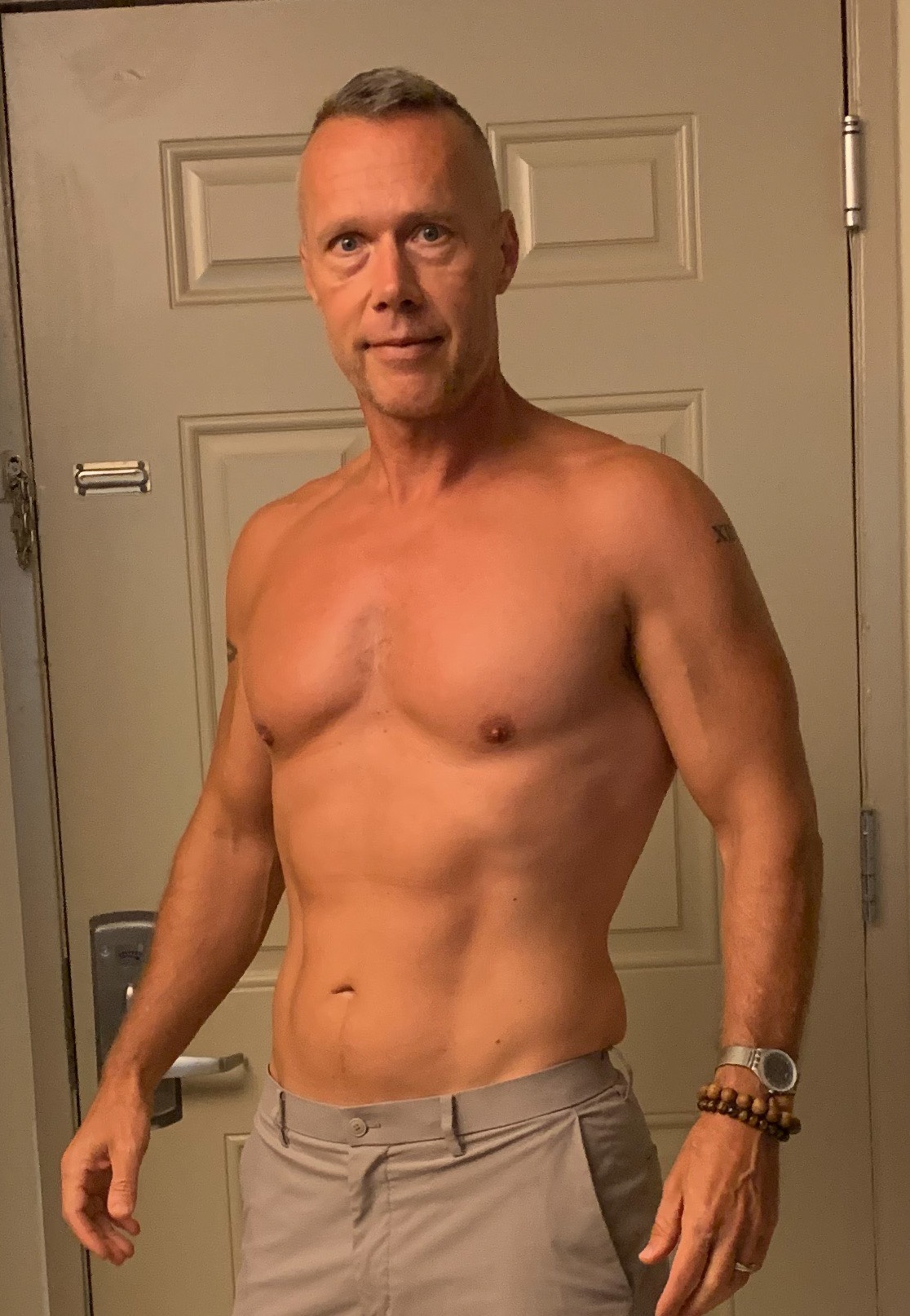
First week of full body training

I must admit, it feels strange to reduce my weekly training frequency from 5/6 days down to three. Switching from a high volume push/pull/legs protocol to a 3x per week strength training program seems on the surface that I’m potentially losing ground, but I should see more density in my muscle development as well as increased strength. I am already feeling increased DOMS in my legs with the higher frequency.

I do have some reservations about the strain on my joints and ligaments with the increased weight loads, but I’ll push for strength gains while my body will still allow it. At this point in my life, functional strength trumps esthetics, so I think I’ve made the right decision.

My program is basically a 5×5 strong lifts approach, modified to add high volume push and pull accessory elements while total volume is still relatively low. When I reach higher strength levels, I’ll reduce the extra accessory work.

The program I’ve created is not a standard one, and some might criticize any program that deviates from a tried and true tested one. But one thing I’ve learned in my many years of training is that every body responds differently to any program and personalized tweaks are permissible provided you know how to monitor for over training or stagnation with gains. I also firmly believe that making your workout personal is satisfying and motivating.
Why I lift

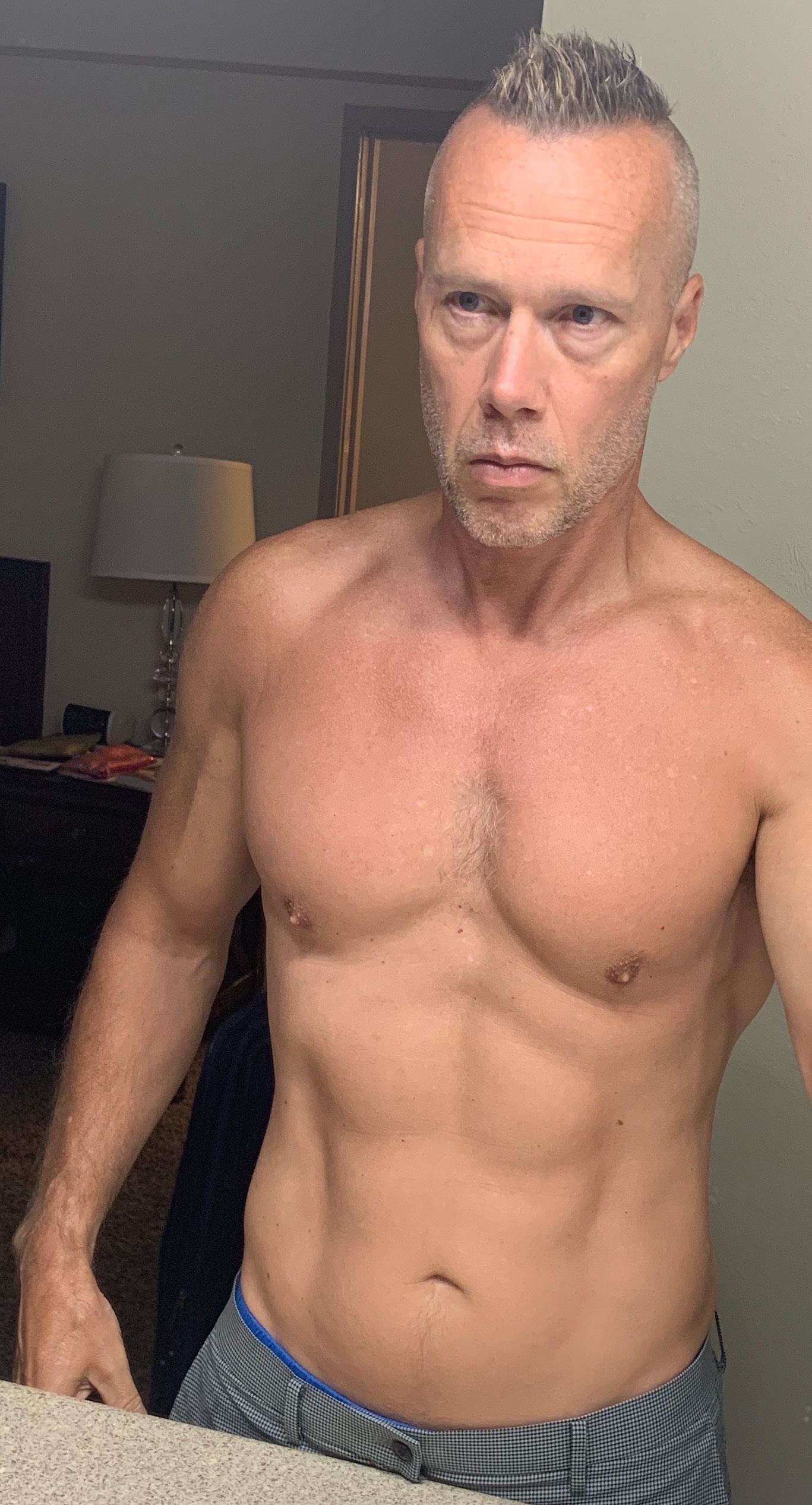
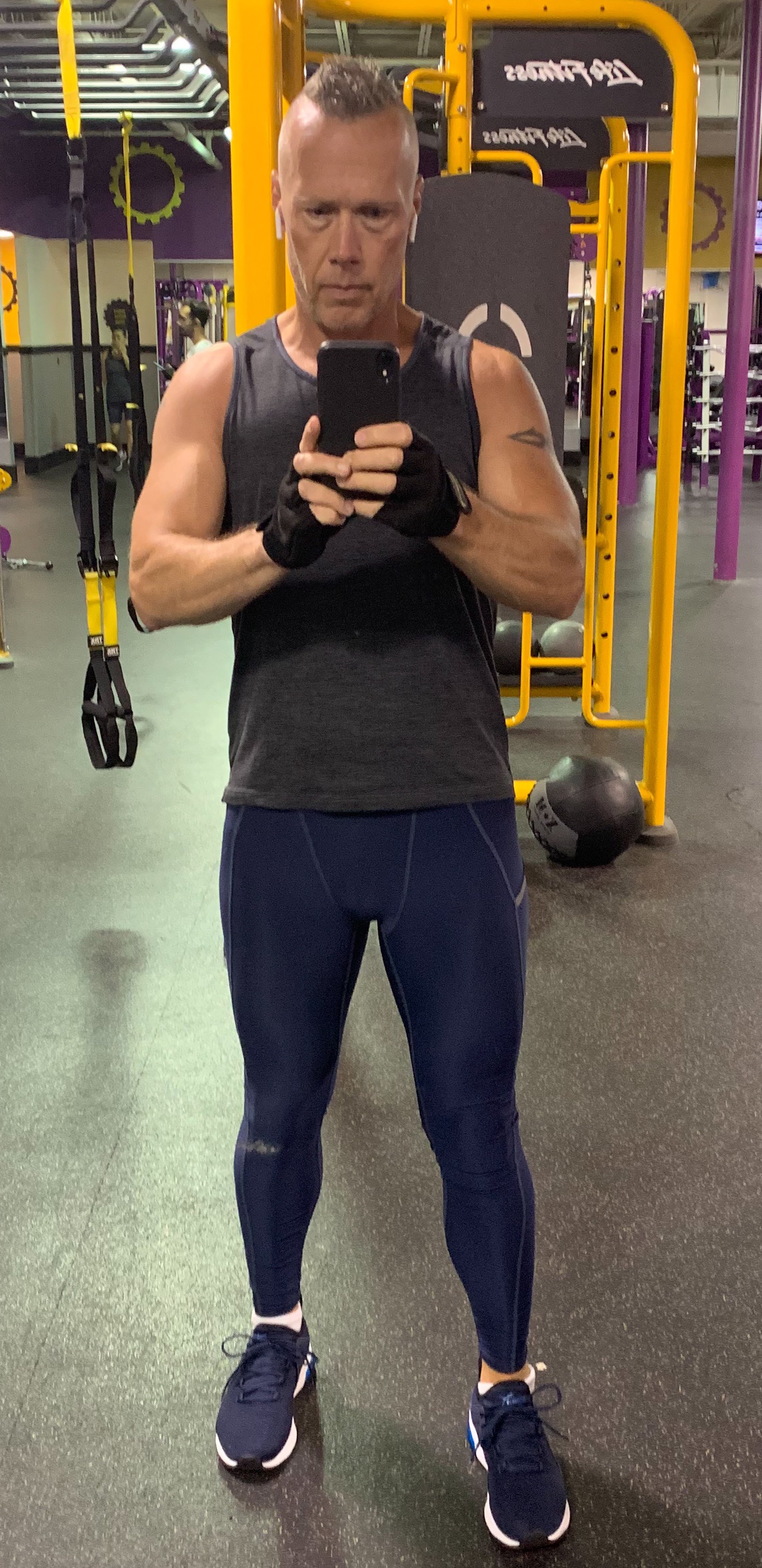
The question why I lift is not an easy one to answer, especially since I’ve been doing it for so long. It’s just become so much a part of my weekly routine that sometimes I feel I have lost all connection to the deeper reasons behind my endeavor. I am not a bodybuilder, and some days frankly I wonder if I should just give it all up and sip coffee and read the paper. But deep down I know it’s important to keep at it, and recently I’ve explored possible reasons for my obsession with lifting weights. I’ve narrowed down my reasons to the following:

1. It gives me purpose. Although there are certainly loftier ways to spend my free time, lifting weights is a goal-oriented experience that gives my life purpose. I look forward to new lifting records, and having a linear progression to my near and long term goals is satisfying, especially when professional, personal or other goals are not met. It’s the one thing in life that depends solely on me, and any failure is self-induced, yet easily correctable.

2. It’s healthy. More studies have been released lately on the benefits of strength training over cardiovascular exercise for aging adults. It not only strengthens muscle and bones, but has benefits for heart and brain health, and even appears to prolong life. Of course cardio and lifting are not mutually exclusive, but strength training is one of the best ways to counteract the ravages of aging.

3. It improves quality of life. Whether it’s moving the couch, carrying my tired daughter at the end of a long hike, or bringing in all the groceries in one trip, being strong has positive externalities that carry over into everyday life.

4. It’s a confidence booster. Meeting difficult goals you set for yourself, and liking how you fit in your clothes and skin makes you feel good. In the last couple of years, I’ve been told by several peers that my commitment is inspiring to them. Being a motivating factor in life for other people makes you feel better about yourself.

Some may think that my obsession is driven by vanity or or bodily esthetics, and although I freely admit that there may be a hint of truth to this, it is not the primary, secondary or even tertiary reason to why I lift. I lift for some of the same reasons why others run, do yoga (which I’m also a fan of), or even do gardening. It fixes the mind, body and spirit, and is one way to keep life meaningful.

On snacking

It is easy to keep to your diet and sabotage all with unhealthy snacking. I know from experience. Most of my meals are spot on healthy and within my caloric limits, but I too on occasion succumb to unhealthy snacking temptations. This is where most people fail, myself included.

My first tip to avoid unhealthy snacking is to remove anything you don’t want to eat from your pantry and office space. Only keep within reach those things that you are not ashamed to eat. For me these are apples, nuts and crunchy veggies. Pre-prepared snacks to take with you can help as well, with a promise to yourself that this is all you’ll indulge in.

When temptation strikes , simply get up and walk somewhere for five minutes. It usually takes that long for the urge to pass. Water or coffee can also keep hunger at bay. The important thing to realize is that snacking is usually a formed habit, like smoking, and removing triggers that can cause snacking can help. Whether it’s tv, a sports game, boredom or habit, you need to create new patterns of behavior to change your ways. Simply getting up and walking around is one way that helps me.

More importantly, when you fail, don’t be harsh on yourself. Forgive yourself and start anew. When I snack on a bag of chips (yes, it happens), I simply tell myself that was stupid and plan for the rest of the day, or skip a meal. Once you’ve implemented Intermittent Fasting into your program, it gets easier. Not only does IF teach you how to recognize true hunger from habit, but is also a tool to help counteract bad choices you cannot take back.

Milestone reached

Yesterday I weighed myself and am finally under 170 pounds. This is a goal I’ve been striving for for sometime now, so I’m glad to see some progress. I still need to lose some stubborn fat around the middle, but IF and HIIT has helped me get to this benchmark and I will continue to use these strategies. I’m keeping my protein intake to about .75 grams per pound of bodyweight and am eating at a roughly 400 calorie daily deficit. I can almost see my abs.

On intermittent fasting

Intermittent fasting (IF) has been the rage of late. And for good reasons. I’ve tried all forms of them, and they have all produced good results for me. The two types that I have kept with have been the 16:8 (Leangains) approach and the warrior diet. I use them in tandem depending on where my weight is.

Leangains is the approach I have used most consistently and the one that is most easily followed for me. In a nutshell you skip breakfast and eat only during an eight hour window, usually lunch and dinner. I have never really been a big breakfast eater anyway, so it’s been a sinch to follow and it’s how I eat most days.

The other approach I use, albeit sparingly, is the warrior diet. To summarize briefly, you under-eat during the day (or don’t eat at all), and save your biggest meal for the evening. Snacking on an occasional fruit or a one-time handful of nuts can keep your hunger in check and make you more compliant with the diet. Coffee and diet soda also helps curb hunger. This approach allows me to lose weight more quickly when I feel I’ve overindulged or if my weight is creeping up on me. I don’t find it to be sustainable in the long-term so I use it only when needed.

There are a lot of naysayers on IF, but speaking from experience it works. I also feel more energized and alert when I’m in a fasting mode, and consequently more productive. My lipid counts are almost near perfect. Also, and very importantly, IF allows me to spend less time on calculating calories, even if using eyeball estimates. Meal preparation has also become a lot more simpler.

I recommend everyone who wants to lose weight give it a try for at least one week. It takes about that long to get adjusted, and by the end of a week you’ll see results and will be more likely to commit.

The authors of both diets have published books and I highly recommend reading them. Martin Berkham is the author of Leangains, and Ori Hofmekler is the author of the Warrior Diet.

Last day of my push/pull/legs routine

For three years I’ve been doing a push/pull/legs routine and it has served me well. Next Monday I’m back to work, and with a fresh start to the year following my vacation, I thought it would be good to switch things up and try a new program. I’ve been thinking of doing this for some time, but frankly speaking my 5-6 day a week program has taken its toll on my joints and my progress has stalled. So now I’m switching to a full-body 3x per week routine to address these issues, and honestly to just try something new.

Much has been written on the pros and cons of every type of strength training program, and the best one is always the one you will stick with. Having tried full-body programs in the past, I know they are effective. Plus my joints and tendons just need a break.

I’ve also been neglecting cardio in favor of strength and muscle development, so I think it’s high time to rethink my heart health and plug more cardio sessions into my week. I also realize that I’ve still got about ten pounds of stubborn fat to lose, so I think my new program is sound for those reasons.

I’ll continue to post progress pics and hope to see results in the next three months. I’m aiming for 10 percent body fat, as I’ve not been at that body fat percentage in years. My 50+ year old body just fights to stay above 15 percent.

What to eat

There are so many diet fads and even legitimate ways to eat that it can make your head spin. To me the optimal diet is one that is both simple and sustainable. Diets like ‘paleo’ and ‘Keto’ may be simple, but they are not sustainable in my opinion. I know because I’ve tried them. They work, to be sure, but are based on principles of deprivation. And in the long term, your mind and body will resist these types of diets since your body knows it is missing something.

The best diet is not only the one you will stick with (sustainability), but one that is simple and meets all your body’s requirements. A variety of foods that include carbohydrates for energy, protein for muscle maintenance, and healthy fats for cellular repair is both simple and healthy. And eating all food types is both satisfying and sustainable. These three categories are what most fitness geeks mean when they use the term ‘macros’, which is short for macronutrients.

For carbohydrates, I recommend fruits and vegetables as a primary source, and whole grains such as quinoa, brown rice and sweet potato’s as secondary choices. Fruits and vegetables will guarantee your daily vitamin and mineral requirements, also known as micronutrients. Carbohydrates are essential for energy, brain health and satiety. You should not shun or fear them, provided you eat them in the right quantities. Your body and mind crave them, and for good reasons.

Proteins like fish, trim meat, beans, and low fat dairy are ideal sources. Although there is a lot of hype about how much protein you should eat, most studies show that about 0.7 grams per pound of your body weight is all you need for muscle growth. Unless you are striving to be freakishly huge or are an advanced bodybuilder, no more is necessary. I myself have lowered my protein intake to this calculation and have seen no loss of muscle.

Fats are also essential, but mostly should be eaten in moderation, with saturated fats limited as much as possible and trans fats avoided entirely. Good sources of fat include nuts, avocados and fish. Fats are also necessary for vitamin absorption. I have found that a small handful of nuts is also a good snack that staves hunger.

As to what proportions you should follow, I recommend using a plate as your visual. One half your plate should be fruit and vegetables, one quarter protein, and one quarter carbs. This is simple and easy to follow. If you see that you are not losing weight, then eliminate carbs for one or two of your daily meals and track and adjust accordingly. This has worked wonders for me, and it’s an approach that I’ve found both simple and sustainable.

On Diet

The one thing I’ve learned in the course of my fitness journey is that progress will not happen unless your diet is in check. In fact, I’d go so far as to say that it is the most important criteria. Whether you are looking to lose weight, gain strength, increase stamina or build muscle, diet must be your foremost consideration. Training and exercise alone will not suffice, something that took me years to fully appreciate and understand.

To start, you need to know how much energy you need to sustain your current weight. You probably don’t know this number, do you? It sounds obvious but it still surprises me when those who want to lose weight tell me they don’t know what their daily caloric requirements are. There are many fitness calculators online that will do this for you easily, MyFitnessPal being one of the most well-known. For me, I know I need about 2,000 calories per day to maintain my current weight. Once you know your number, you will have something to work from.

You have probably already heard that to lose one pound per week you need to reduce your daily caloric intake by 500 calories. I think this is correct, as more than this would be too aggressive for most people; muscle loss may be the result if weight is lost too quickly (this happened to me in 2013). So a 500 calorie daily deficit is a good estimate to go with. Simply subtract 500 from your daily caloric requirement figure.

I always recommend that those who are trying to lose weight count daily calories for at least two or three weeks to get a handle on how much energy you are really consuming each day until you are able to accurately eyeball your consumption numbers. When I started I even went so far as to weigh my food. It takes practice, but early tracking is really key. MyFitnessPal is probably the best app out there for this. It’s worth the effort.

I am personally not a fan of counting calories for the long term, but it is necessary in the beginning to become intuitive about your eating habits. Eventually you’ll be able to estimate how many calories you are eating in any one meal. I am now able to look at my meals and very closely estimate how many calories I am consuming. I simply tabulate and total my calories as I eat throughout the day.

First post

Normally I’m a rather shy person who shuns the public eye. Most of my friends will attest to this. However, I’ve decided to create this blog for two reasons. One, I want to share all I’ve learned about heath and fitness. Secondly, and perhaps more importantly, I feel I need a public space to push myself harder to reach ever more elusive goals. To me, the cool thing about fitness is that the journey never ends and there are always new goals to obtain. In the next few blogs I’ll share my training strategies and diet techniques to show how I’ve lost nearly fifty pounds over the past ten years and overcome some major health issues. I hope you’ll find the information useful and motivating.